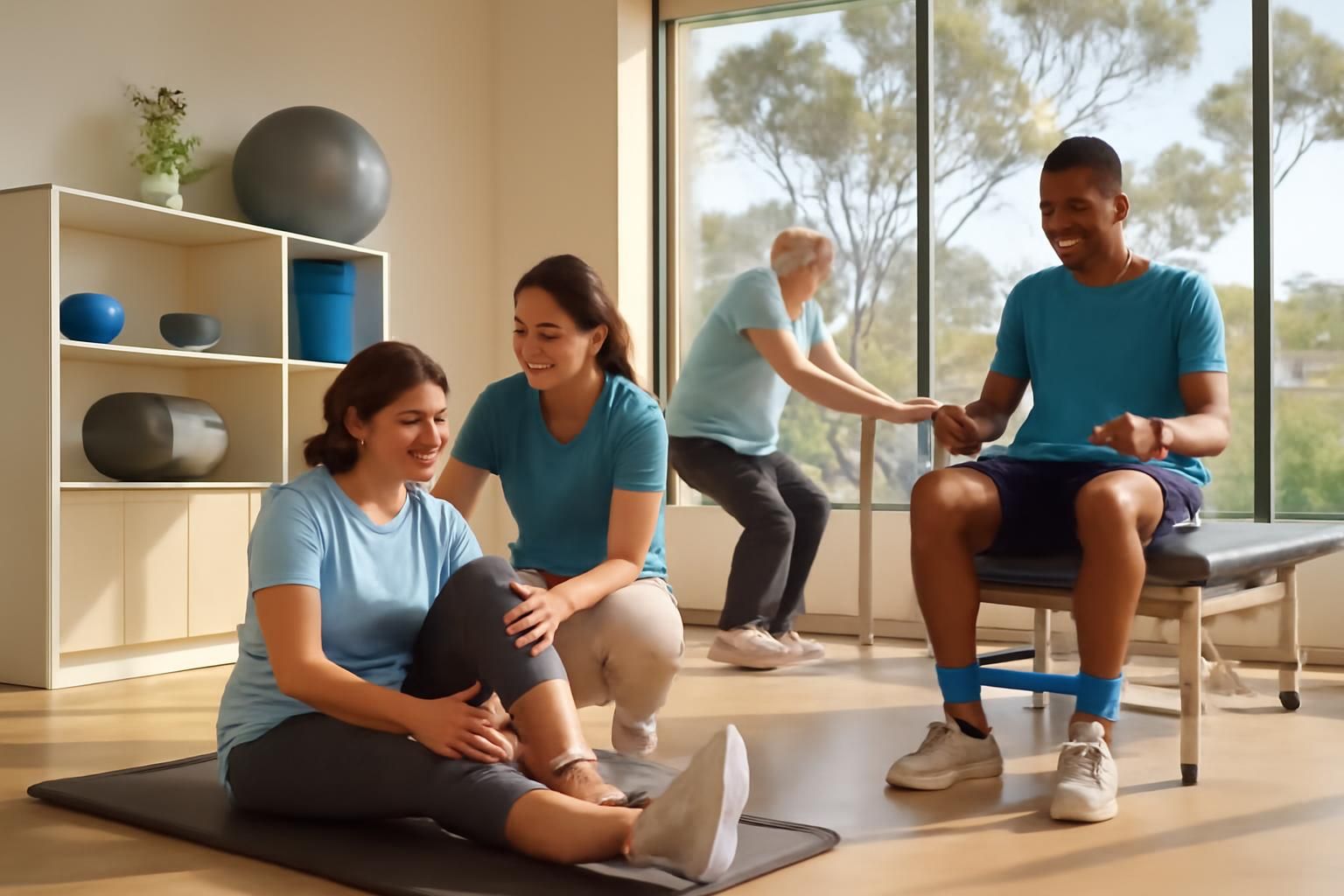
Struggling with persistent knee pain can drastically reduce one’s quality of life, limiting mobility and hindering even simple daily activities. In Australia, researchers and physiotherapists have developed tailored exercise programs aimed at relieving knee discomfort and restoring function. These physiotherapy exercises focus on strengthening essential muscles, enhancing joint health, and improving mobility while ensuring pain relief and reducing the risk of future injury. By addressing individual needs and conditions, such as arthritis, sports injuries, or post-operative rehabilitation, patients regain confidence in their movement through evidence-based physical therapy routines. The key lies in exercising the muscles supporting the knee joint with controlled and progressive rehabilitation strategies.
Key points to know:
- Personalized physiotherapy exercises targeting quadriceps and gluteal muscles are crucial for effective knee pain relief and joint stability.
- Isometric and functional exercises, such as wall ball squeezes and inner-range squats, strengthen without exacerbating pain or risking joint damage.
- Regular stretching of hamstrings and quadriceps complements strengthening efforts to enhance overall knee joint mobility.
- Combining balance and stability drills supports lateral knee control during daily and athletic movements.
- Rehabilitation programs in Australia emphasize tailored progression to prevent flare-ups and promote long-term joint health.
- Access to experienced physiotherapists with sports and post-operative specializations optimizes recovery outcomes.
- Physiotherapy can significantly reduce the need for surgical intervention in many chronic knee pain cases.
Physiotherapy’s Role in Managing Knee Pain: An Australian Perspective
Knee pain affects a significant portion of the Australian population, spanning from young adults who suffer from sports-related injuries to older adults managing osteoarthritis and other degenerative conditions. In fact, approximately 46% of people over 50 and 30% of younger adults report some form of knee discomfort. This widespread prevalence highlights the importance of effective management strategies centered around physiotherapy and exercise.
Physiotherapy in Australia combines manual therapy, education, and tailored exercise rehabilitation to alleviate knee pain. The approach considers each individual’s condition, lifestyle, and activity level to deliver personalized treatment plans. Physiotherapists such as Kam Bhabra, known for his expertise with elite athletes, and Niamh Davies integrate targeted strengthening protocols focusing on muscular balance and joint alignment.
Unlike generic exercise routines, physiotherapy programs are designed to target the quadriceps, hamstrings, gluteals, and calf muscles to reduce undue stress on the knee joint. Stabilizing and strengthening these muscle groups helps correct alignment, decreases joint pain, and protects against further injury. Australian physiotherapy clinics also emphasize education on joint health, self-management and gradual load progression to maintain improvements long term.
The importance of physiotherapy is further exemplified in post-operative rehabilitation, where structured strengthening exercises encourage safe recovery and regain of functional mobility, often significantly reducing the rehabilitation time, and improving the prognosis.
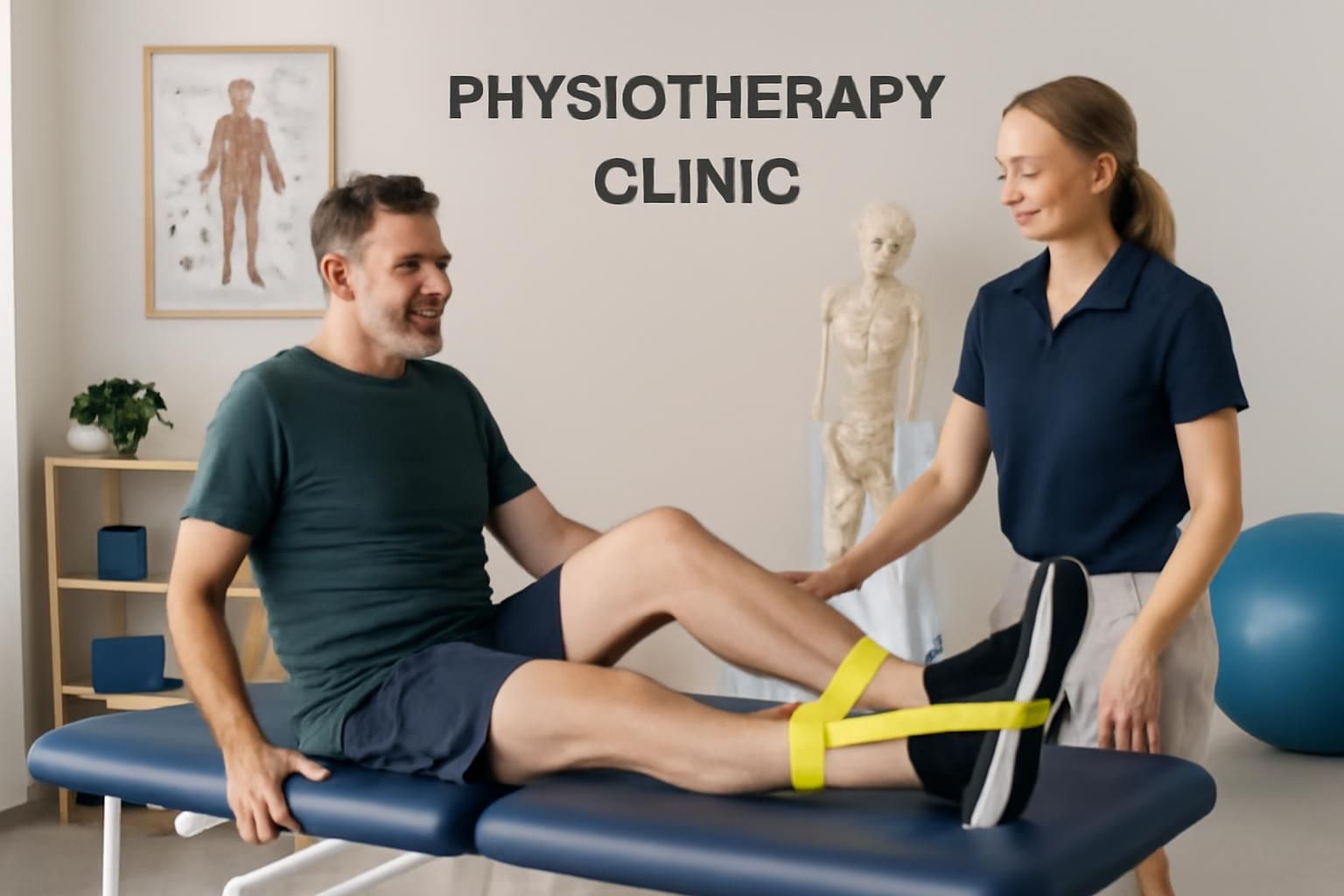
Top 4 Physio Exercises to Strengthen and Soothe Knee Pain
Implementing the right physiotherapy exercises is essential in managing knee discomfort effectively. Among the most recommended and thoroughly researched are four core exercises that activate key muscle groups without placing excessive strain on the joint:
- Ball-on-Wall Isometric Squeezes: This isometric contraction targets the quadriceps muscle, crucial for knee stability. By pressing the back of the knee into a soft ball against the wall, it prevents hyperextension and rebuilds muscle control.
- Toe Taps in Single Leg Support: Focuses on strengthening gluteal muscles and lateral hip stabilizers, improving balance and knee joint alignment during movement.
- Inner Range Squats: Encourages functional movement by engaging both hip and knee control, primarily focusing on mid-range knee bending that’s safer for those recovering from injury.
- Knee Extensions (Machine-Based): Employs targeted quadriceps strengthening, particularly beneficial after surgery or significant injury, to rebuild muscle power in a controlled manner.
These exercises must be undertaken with professional guidance and adjusted to individual pain thresholds and recovery phases. For a detailed exploration of the specific methodologies, Lilyfield Physiotherapy offers comprehensive insights on physio exercises for knee pain.
Detailed Breakdown of Each Exercise
- Ball-on-Wall Isometric Squeezes:
Stand with a ball or rolled towel behind your knee against a wall, tighten your thigh to press the knee back into the ball, hold for several seconds. Repeat 10-15 times per leg for optimal quadriceps activation without stressing the joint. - Toe Taps in Single Leg Support:
Balancing on one leg, perform controlled mini squats and tap the opposite foot side to side slowly while maintaining stability. This strengthens the glutes and outer hip muscles that stabilize the knee during dynamic activities. - Inner Range Squats:
Using a chair or stool for balance, slowly lower into a partial squat keeping knees aligned over feet, lightly touching the seat and pushing back up. This supports safer movement and builds functional knee strength. - Knee Extensions:
Using a leg extension machine, extend your knees from 90 degrees to full extension and lower back slowly. This focuses micro-loads on the quadriceps to help regain strength effectively after injury.
Stretching Techniques to Complement Knee Strengthening
Alongside strengthening exercises, stretching plays an integral role in improving knee mobility and reducing pain. Tight muscles around the knee such as the hamstrings and quadriceps often exacerbate symptoms and hinder rehabilitation progress. Effective stretches increase flexibility, promote circulation, and help maintain healthy joint range.
Two particularly beneficial stretches include:
- Hamstring Stretch: Lie on your back and use a towel or band to gently pull the straightened leg towards you until a comfortable stretch is felt at the back of the thigh. Hold for 30 seconds and repeat 2-4 times per leg to ease hamstring tension influencing knee pain.
- Quadriceps Stretch: Standing close to a wall or chair for support, bend one knee back, grasp the ankle, and gently pull toward the glute to stretch the front thigh muscles. Maintaining this stretch for 30 seconds with repetitions on both sides helps loosen tight quads that can strain the knee.
Incorporating these stretches into a routine alongside the strengthening exercises enhances overall joint health and functional mobility.
Balance and Stability Exercises to Support Knee Rehabilitation
Knee joint stability depends not only on muscle strength but also on neuromuscular control and balance. Exercises targeting these aspects of physiotherapy are vital for preventing falls, improving movement mechanics, and reducing re-injury risk. An example includes single-leg stance exercises combined with controlled foot or knee movements to challenge the body’s proprioception.
In Australia, physiotherapists incorporate these balance drills progressively, starting from static holds progressing to dynamic tasks such as lateral toe taps or clamshells:
- Single-leg toe taps while maintaining a mini squat posture target hip abductors and stabilizers.
- Clamshells strengthen the lateral hip muscles promoting better knee alignment during activities.
These exercises empower patients to regain confidence in their joint function, essential for returning to sport, work, or daily life without hesitation.
Advanced Strengthening and Rehabilitation Strategies
For patients further along in recovery or requiring more intensive rehabilitation, advanced exercises including machine-based knee extensions and deeper squats are introduced. These help rebuild muscle endurance and power, ensuring the knee can handle increased load and activity demands.
Australian physiotherapy clinics often utilize biofeedback and movement analysis to customize these advanced routines. The progression is carefully monitored to avoid flare-ups, particularly for degenerative conditions like osteoarthritis.
In addition to exercises, physiotherapists also emphasize the importance of postural alignment, gait training, and movement modification. Such comprehensive rehabilitation ensures lasting improvements beyond the clinic setting by supporting everyday movement patterns.
Examples of Advanced Techniques
- Leg press machines to build quadriceps and glute strength progressively.
- Dynamic lunges and lateral step-downs to improve joint stability and coordination.
- Use of resistance bands and weighted exercises for muscle hypertrophy and joint support.
Integrating Physiotherapy with Daily Lifestyle for Long-Term Knee Health
Successful management of knee pain through physiotherapy in Australia increasingly includes patient education on lifestyle adaptations. These encompass weight management, ergonomic adjustments, and regular low-impact physical activities like swimming or cycling, which help maintain resilience in the knee joint while avoiding undue stress.
Moreover, ensuring proper footwear and gradually increasing physical activity intensity are part of ongoing advice. Physiotherapists guide patients through personalized home exercise programs that are sustainable and evolve with their changing needs.
Implementation of evidence-based knee physio exercises at home complements clinical sessions, helping Australians maintain active lifestyles despite chronic knee conditions.
Accessing Physiotherapy Services and Support in Australia
The availability of specialised physiotherapy services across Australia has expanded significantly in recent years. Clinics like Lilyfield Physiotherapy and Benchmark Physio provide expert guidance on knee rehabilitation tailored to individual needs.
Many physiotherapy providers integrate telehealth consultations and digital exercise platforms, allowing patients remote access to exercise plans and professional advice. This flexibility is particularly beneficial for those managing ongoing pain or living in remote areas.
Professional physiotherapists assess patients comprehensively, developing tailored programs encompassing strengthening, stretching, balance, and functional movement drills aimed at pain relief and improved mobility. Australians seeking physiotherapy for knee pain may explore resources such as specialized physiotherapy exercise guides in Australia for more information.
Table: Overview of Effective Physiotherapy Exercises for Knee Pain Relief
| Exercise | Primary Muscle Group Targeted | Purpose | Repetitions | Suitable For |
|---|---|---|---|---|
| Ball-on-Wall Isometric Squeezes | Quadriceps | Activate quad muscle, prevent knee hyperextension | 10-15 reps per leg | Early rehabilitation, pain relief |
| Toe Taps in Single Leg Support | Gluteus medius and lateral stabilizers | Improve balance, support knee alignment | 10-15 taps per side | Balance improvement, injury prevention |
| Inner Range Squats | Hip and knee muscles | Functional strength, mid-range knee control | 10-15 reps | Early recovery, injury prevention |
| Knee Extensions (Machine-Based) | Quadriceps | Strengthening post-injury | 2-3 sets of 10 reps | Post-surgery, advanced rehab |
What are the most effective physiotherapy exercises for knee pain?
Exercises focusing on quadriceps activation such as ball-on-wall isometric squeezes and glute strengthening exercises like single-leg toe taps are highly effective in relieving knee pain and improving joint stability.
How frequently should I perform knee strengthening exercises?
Generally, 3-5 sessions per week are recommended depending on recovery stage. It’s essential to follow your physiotherapist’s advice regarding progression and intensity to avoid injury.
Can physiotherapy help me avoid knee surgery?
Many cases of knee pain, including osteoarthritis and patellofemoral pain syndrome, improve significantly with dedicated physiotherapy, possibly avoiding the need for surgery.
Should I stop exercising if I experience knee pain during physiotherapy?
Pain is a signal to stop or modify exercises. Your physiotherapist will tailor the program to your comfort and prevent exacerbating symptoms.
Can I perform physiotherapy exercises if I have had previous knee surgery?
Yes, but exercises are usually modified to suit your stage of recovery. It’s best to consult a physiotherapist for a personalized post-operative rehabilitation program.