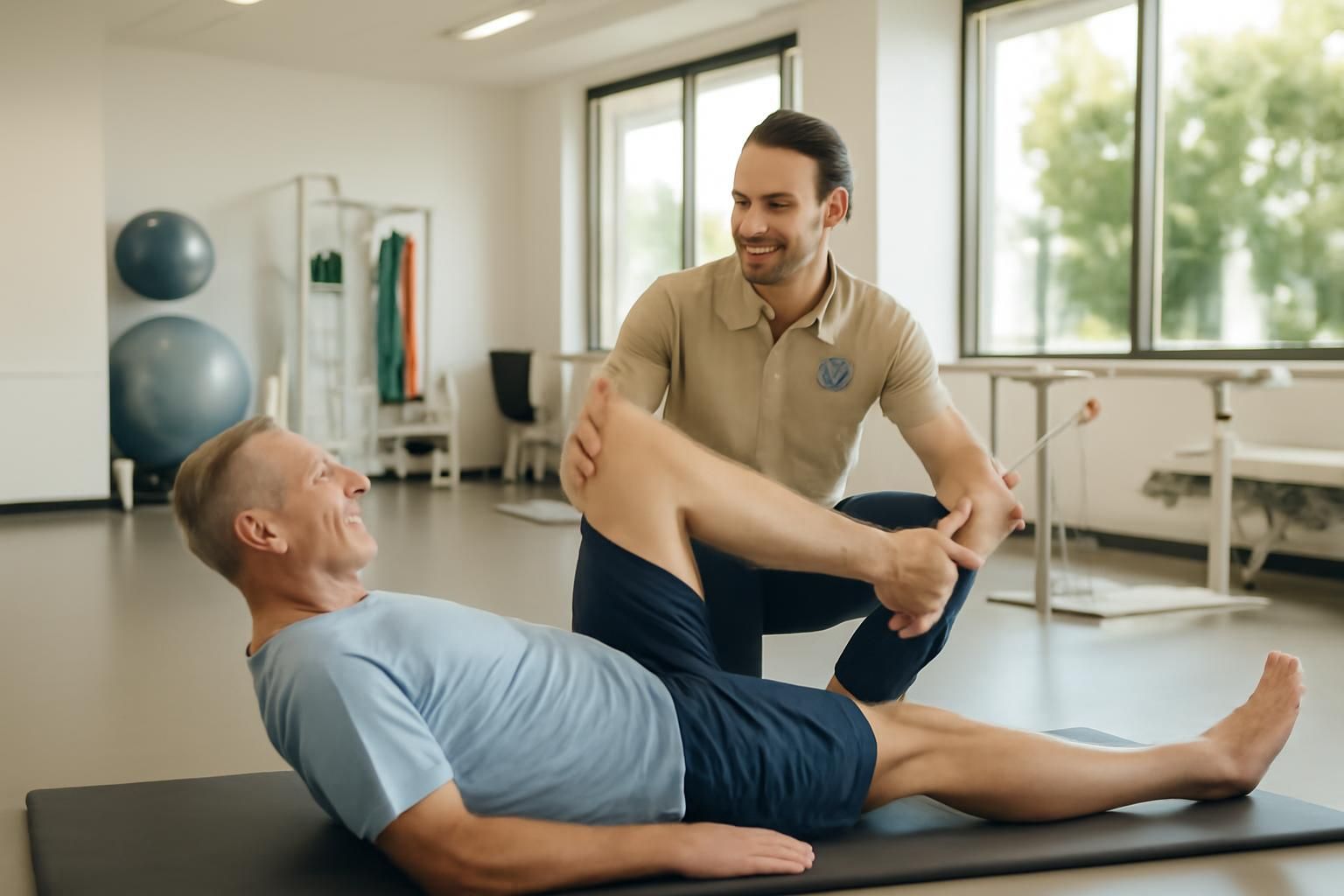
Recovering from surgery in Australia involves more than just the operation itself; it requires a well-structured rehabilitation plan to regain strength, mobility, and confidence. Physiotherapy stands out as a critical component in the journey towards full recovery, offering specialized care that eases pain, prevents complications, and promotes long-term physical health. Whether recovering from joint replacements, spinal surgeries, or sports-related procedures, understanding the role and benefits of physiotherapy can significantly influence outcomes.
In brief:
- Physiotherapy accelerates the healing process post-surgery by targeting mobility improvement and pain relief.
- Early intervention focuses on managing pain, reducing swelling, and preventing stiffness while educating patients on safe movements.
- Structured rehabilitation progresses from gentle exercises to strength and stability training tailored to individual recovery goals.
- Continuous support ensures complications like muscle atrophy and joint immobility are minimized.
- Specialized physiotherapists in Australia integrate surgical protocols for a personalized rehabilitation pathway.
- Home exercise programs and manual therapy techniques are crucial elements of successful recovery.
- Physiotherapy not only aids physical healing but also boosts psychological confidence to resume normal activities.
Why Physiotherapy Is Essential After Surgery for Effective Recovery in Australia
Surgery repairs physical structures, but the pathway to complete recovery is often defined by what happens after the operation, particularly through physiotherapy. After surgery, patients commonly face challenges such as muscle weakness, joint stiffness, decreased mobility, and pain. Without professional guidance, these issues may become chronic, limiting function and quality of life.
The role of physiotherapy is to bridge this gap between surgical repair and returning to normal activities. Services provided include tailored exercise therapy to restore muscle strength, improve joint flexibility, and retrain movement to reduce the risk of injury or re-injury. For example, after a knee replacement, physiotherapy allows gradual weight-bearing activities and mobility enhancement, turning clinical repair into functional improvement.
Australian physiotherapy practitioners emphasize a multidisciplinary approach, often coordinating with surgeons and general practitioners to ensure the rehabilitation program aligns with the surgical protocol and patient’s health status. Their expertise in pain management using techniques like ice therapy, manual soft tissue mobilization, and tailored exercise regimens helps mitigate discomfort and swelling efficiently.
The importance of early physiotherapy intervention cannot be overstated. Mobilizing patients with gentle exercises soon after surgery enhances circulation, reduces risks of blood clots, and prevents the development of scar tissue that restricts movement. This methodical approach to rehabilitation is a key factor why postoperative physiotherapy is indispensable across Australia.
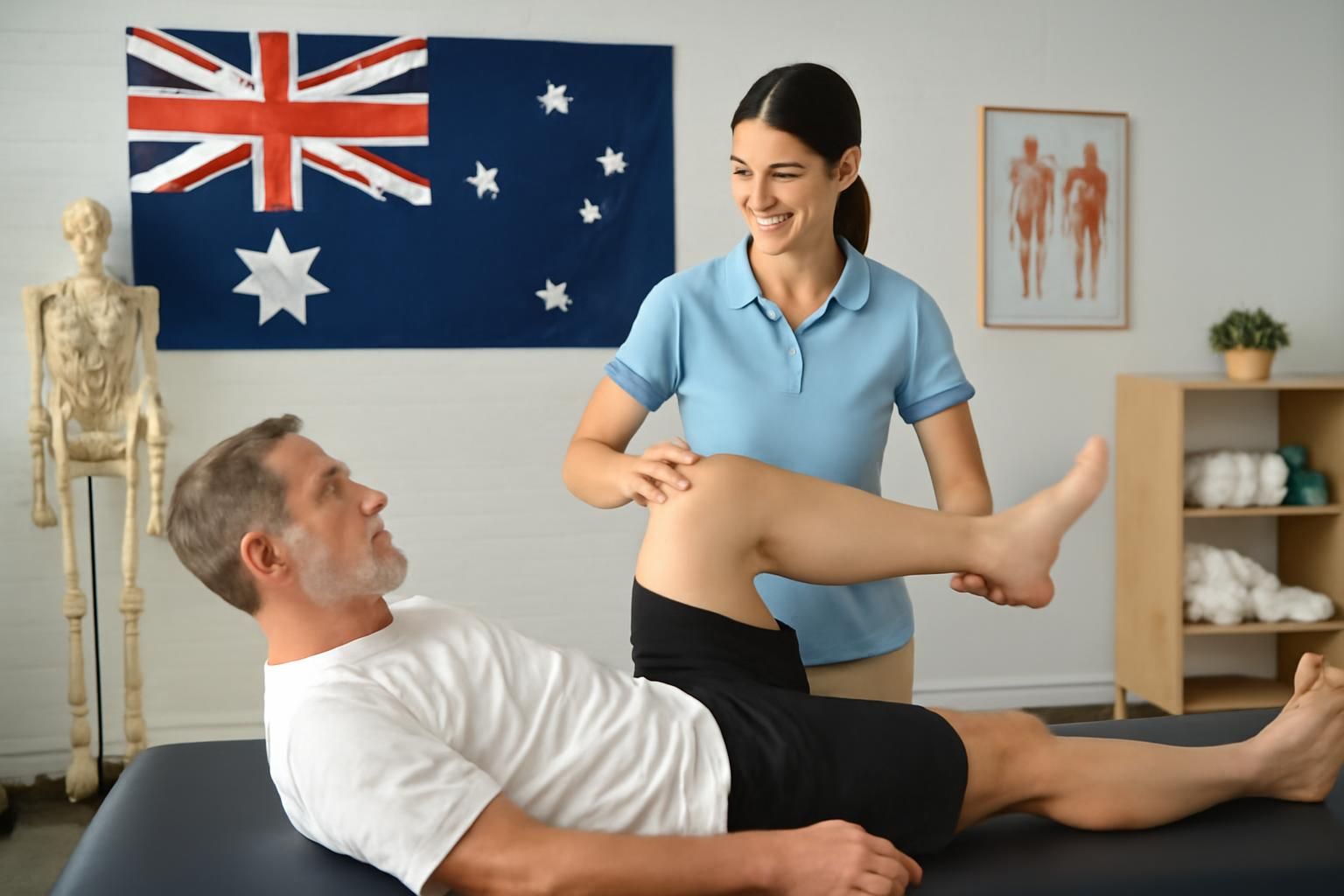
Stages of Physiotherapy Post-Surgery: Understanding the Recovery Process
Physiotherapy after surgery typically unfolds in distinct phases, each tailored to match the patient’s healing progress. Recognizing these stages helps manage expectations and fosters patient engagement in their recovery journey.
Early Recovery Phase: Pain Control and Preventing Complications
The initial days following surgery focus on pain management and minimizing inflammation. Physiotherapy professionals introduce gentle range-of-motion activities, breathing exercises to support circulation, and guidance on positioning to relieve discomfort. For instance, patients recovering from spinal surgery receive targeted instructions to avoid movements that might compromise their healing while maintaining sufficient activity to prevent stiffness.
During this acute phase, the physiotherapist educates patients on safe mobility practices, use of assistive devices, and strategies to achieve restful sleep without jeopardizing the surgical site. Swelling reduction techniques like ice application and light massage are employed strategically. The patient’s individual response to surgery is closely monitored to adjust therapy intensity and prevent setbacks.
Progressive Strengthening and Mobility Restoration
As healing advances, usually between two to six weeks post-operation depending on the surgery type, physiotherapy shifts towards building muscle strength, improving joint stability, and correcting posture. Incorporation of exercise therapy becomes more active and functional, with exercises often designed to simulate daily tasks.
For example, post-ACL surgery patients engage in controlled balance and coordination work alongside targeted activation of quadriceps muscles. Manual therapy from physiotherapists reduces adhesions from scar tissue, encouraging better range of motion. This phase seeks to restore confidence in movement, training the body to perform without hesitation or pain.
Return to Function and Advanced Conditioning
Once foundational strength and mobility are re-established, typically after six weeks onward, rehabilitation enters a phase of higher intensity focused on endurance, stability, and functional independence. Activities may include resistance training, Pilates for core control, and sport-specific drills for athletes aiming to return to their previous level.
Physiotherapists customize programs that address imbalances such as unilateral weakness and altered gait patterns, often observed after joint replacement or fracture repair. Importantly, this phase prepares patients psychologically and physically to return to work, leisure, and sports, ensuring a holistic approach to recovery.
This graduated process supports a safe transition from medical dependence to active living, reducing the chances of chronic pain or functional limitations that can linger without proper rehabilitation.
How Physiotherapy Manages Post-Surgical Pain and Swelling Effectively
Many patients fear pain as the primary barrier to recovery after surgery. Physiotherapy employs a variety of pain management strategies designed to control discomfort while promoting healing. Ice therapy remains a cornerstone in reducing inflammation immediately after surgery, complemented by techniques such as lymphatic drainage massage to decrease swelling and enhance fluid circulation.
Therapists also utilize modalities like electrical stimulation to relieve muscle spasms and pain, alongside guided gentle movements that encourage joint lubrication and prevent stiffness. The holistic management of pain facilitates earlier mobilization, which itself is a critical factor in speeding up recovery.
For instance, after shoulder reconstruction, carefully introduced passive and active exercises under the supervision of physiotherapists can prevent frozen shoulder—a painful complication characterized by severe stiffness—by maintaining joint flexibility.
Physiotherapists educate patients on self-management techniques, emphasizing the importance of adhering to exercise programs and using ice packs properly at home to sustain the reduction in pain and swelling beyond clinic visits. This comprehensive approach ensures that pain relief is sustained and supports the broader rehabilitation goals.
Personalized Physiotherapy Programs Adapted to Various Surgeries
Physiotherapy in Australia after surgery isn’t one-size-fits-all; it must be personalized to the specific surgical procedure, patient’s condition, and recovery goals. Different surgeries demand distinct rehabilitation protocols to address unique challenges effectively.
| Surgery Type | Focus in Physiotherapy | Typical Recovery Timeline |
|---|---|---|
| Joint Replacement (Knee, Hip, Shoulder) | Regain joint mobility, strengthen surrounding muscles, improve weight-bearing capacity | 6 to 12 weeks |
| Spinal Surgery (Discectomy, Fusion) | Restore posture, relieve nerve pressure, build core stability | 8 to 16 weeks |
| ACL and Meniscus Repair | Prevent muscle atrophy, improve knee stability, retrain balance | 12 to 24 weeks |
| Fracture Repair (Wrist, Ankle) | Regain joint flexibility, reduce swelling, restore functional use | 4 to 12 weeks |
Choosing a physiotherapy team familiar with the specific surgical area is crucial for achieving optimal recovery. This ensures that exercises and treatment modalities align perfectly with the healing stages of the surgical site, reducing complications and fostering a safe return to daily activities.
Integrating Home-Based Physiotherapy: The Key to Sustainable Recovery
In Australia, a growing trend in post-surgical care is the integration of home-based physiotherapy programs. These programs complement in-clinic sessions by providing patients with convenient and ongoing access to exercise therapy tailored for their recovery stage.
Physiotherapists at Pro Health Care and similar providers design detailed home exercise regimes that focus on maintaining mobility while encouraging gradual strength rebuilding. For example, after hip replacement surgery, patients follow daily exercises to prevent hip stiffness while rebuilding muscle tone, reducing the need for frequent clinic visits.
Benefits of home-based physiotherapy include:
- Increased compliance as patients exercise in familiar surroundings.
- Continuous progress monitoring through mobile apps or remote consultations, allowing therapists to adapt programs as needed.
- Reduced healthcare costs and less travel stress, especially for patients in rural Australia.
Moreover, mobile physiotherapy services available in big cities like Sydney, Brisbane, and Gold Coast bring professional care directly to patients’ homes, supporting safe, effective recovery even for those with limited mobility.
Preventing Common Complications Through Physiotherapy Post-Surgery
Proper physiotherapy after surgery not only advances functional recovery but also plays a vital role in preventing complications such as muscle atrophy, joint contractures, and poor posture. Without early mobilization and strengthening exercises, patients risk prolonged immobility that leads to these detrimental outcomes.
Through targeted therapy, physiotherapists address these risks by:
- Encouraging gentle movement soon after surgery to maintain joint nutrition and prevent stiffness.
- Implementing strength-building exercises to counteract muscle wasting and support joint stability.
- Correcting biomechanical imbalances that may arise due to compensatory behaviors during healing.
- Educating patients about body mechanics and posture to promote healing and prevent reinjury.
For example, after wrist fracture surgery, patients often develop stiffness or loss of dexterity without physiotherapy intervention. Early guided movement therapy helps prevent these issues, ensuring smooth recovery.
Choosing the Right Physiotherapy Provider in Australia for Post-Surgery Care
Selecting a qualified and experienced physiotherapist post-surgery is pivotal. Australian clinics like Pro Health Care or Clinical Physio Solutions specialize in tailored rehabilitation programs in coordination with surgeons and healthcare teams.
Key considerations when choosing a physiotherapy provider include:
- Accreditation and professional registration, ensuring up-to-date knowledge in post-operative rehabilitation.
- Experience with the specific type of surgery.
- Advanced treatment options, including manual therapy, Pilates-based rehab, and technologically supported exercise programs.
- Patient-centered care that adapts to individual progress and lifestyle.
- Effective communication with your surgical and medical team to maintain integrated care pathways.
The goal is not only to recover but to regain pre-surgical function or even improve upon it, supported by continuous guidance through the healing process.
How Physiotherapy Enhances Mental Wellbeing During Recovery
Physiotherapy after surgery has psychological benefits that are often overlooked. Recovery can be a challenging period marked by fears about movement, frustration with temporary disability, and concerns about returning to normal life.
Physiotherapists provide more than physical care; they offer reassurance through education, help set realistic expectations, and foster a sense of progress. For instance, gradual achievement of daily movement goals builds confidence and reduces fear avoidance behaviors.
In addition, physiotherapy supports social reintegration by facilitating return to functional activities, which contributes to enhanced mental wellbeing and reduced risk of depression post-surgery. Programs that combine physical exercise with mindfulness or relaxation techniques further improve patient resilience towards recovery challenges.
Recognizing the holistic nature of healing, Australian physiotherapy services increasingly integrate these mental health considerations into their rehabilitation plans, ensuring patients feel supported in all dimensions of their recovery.
How soon after surgery should I start physiotherapy?
Physiotherapy typically starts within days after surgery, focusing initially on gentle movements and pain management to aid healing and prevent complications.
Can physiotherapy reduce post-surgery pain?
Yes, physiotherapy uses techniques such as ice therapy, manual therapy, and controlled exercises to manage pain effectively and facilitate recovery.
Is physiotherapy necessary for all types of surgery?
While the exact physiotherapy program varies, rehabilitation is generally essential for surgeries involving joints, muscles, and bones to ensure functional recovery.
How long does post-surgery physiotherapy last?
The duration depends on surgery type and individual progress but typically ranges from a few weeks to several months, with progressive phases.
Can I do physiotherapy exercises at home?
Yes, home exercise programs are a fundamental part of recovery, designed by physiotherapists to complement in-clinic sessions and promote continuous healing.